
Research Institute
The Rabbi Amital Institute for Holocaust Research and Teaching at Herzog College was established in order to instill Holocaust awareness among teachers and educators based on a perception that sees the Holocaust as an important component in building Jewish and religious identity in our generation. The Institute focuses on the study of religious life during the Holocaust and the religious, moral and existential dilemmas that arise from the destruction of European Jewry. The Institute also studies the revival of the Jewish people in general, and the revival of religious Judaism in particular, after the Holocaust.
The project to research religious life during the Holocaust from the unknown archives of the “Rabbi Amital Institute for Holocaust Research and Teaching” at Herzog College, includes documentation, cataloguing, deciphering, transcribing, transcribing, translating, and researching a number of private archives from Israel and abroad that include materials about the Holocaust that have not yet been documented or researched. These materials teach us an obscure chapter on religious life during the Holocaust and in the years surrounding it.
The Zimberg Family Archive from Warsaw (and today Jerusalem)
Rabbi Yehuda Leib Zimberg (1898-1942) served as a rabbi in Warsaw on the eve of World War II. This is a character abo
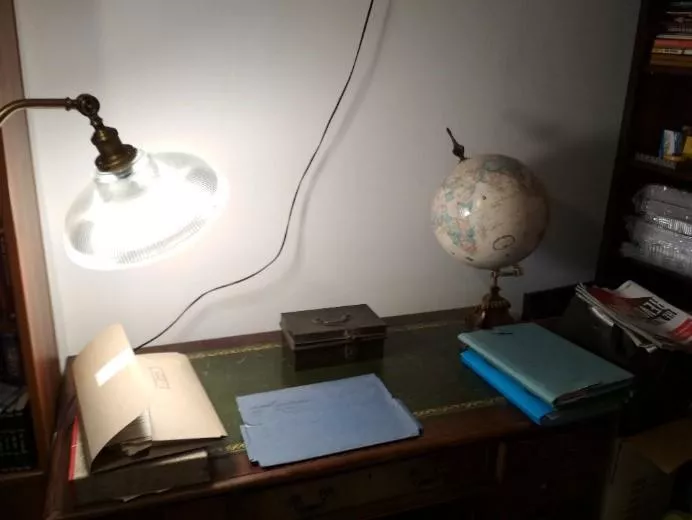
ut whom we do not know much. His son, Raphael Ze’ev, traveled to England at the end of 1938 in order to study at Yeshivat Etz Chaim and acquire an academic education. When the son left in October 1938, the father began to send him letters and postcards in Yiddish. This correspondence took place frequently and continuously until the war, and then during the war – through the Red Cross. In each letter, the father used to write, among other things, words of Torah to his son. These words are written against the backdrop of an increasingly deteriorating situation (until the father’s tragic death in the ghetto) and the connection of these words of the Torah to historical events can be seen. This rare and unusual correspondence reveals an important chapter in the history of the religious life of the Jews of Warsaw on the eve of and during the Holocaust.
Documentation and research of the Genizah at the Rema Synagogue in Krakow
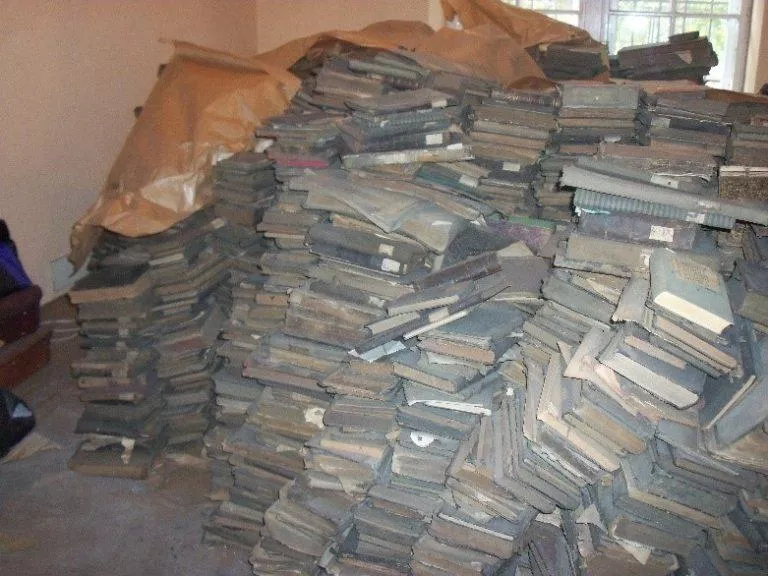
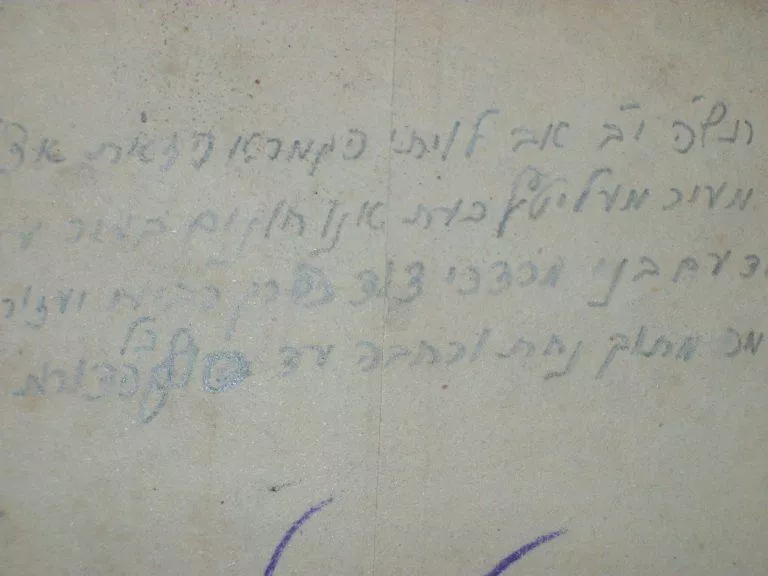
In the Rema Synagogue in Krakow, there was a Genizah before the Holocaust (there is no information about the beginning of the Genizah), during the Holocaust and several years afterwards. This genizah was transferred to the new cemetery in 2011 during the renovation of the synagogue. This genizah has never been documented or researched. A single and preliminary examination conducted by Prof. Daniel Reiser in 2011 revealed that the Genizah includes several thousand books and documents. The books also include stamps and dedications that can serve as a database of communities in Poland, addresses of synagogues and libraries, Hasidic shtiblach and more. Some of the books contain comments by the readers that point us to the religious life in Krakow during the Holocaust and later among the survivors.
The research includes drawing, sorting, and photographing the cover pages and the relevant materials. The documentation and photography will be done by researchers and students from Herzog College, and we hope to do so in collaboration with researchers and students from the Hegelonian University of Krakow (we are in the early stages of meetings for collaboration).
Eli Wiesel Archive with Dr. Yoel Rapel
Dr. Yoel Rapel managed the Elie Wiesel Archive in Boston and was Wiesel’s personal assistant for 8 years. In additi
on to the archive in Boston, Rappel holds the archive at his home in Givat Shmuel, and asked to donate it to the Herzog College Library. The archive includes various correspondences between them, rare literary materials given to him by Elie Wiesel that were never published, interviews in Hebrew that Rafel conducted with Wiesel every week for 8 years, drafts and various versions of Wiesel’s works that were not published and were not translated into Hebrew. The archive includes about 10,000 pages and materials. The archive also includes photographic documents that Rapel photographed over the years from writers in Israel and around the world, historians, researchers who corresponded with Wiesel and received letters from him (for example – he has photographs of extensive correspondence between Katzetnik and Elie Wiesel).